01 / Case study
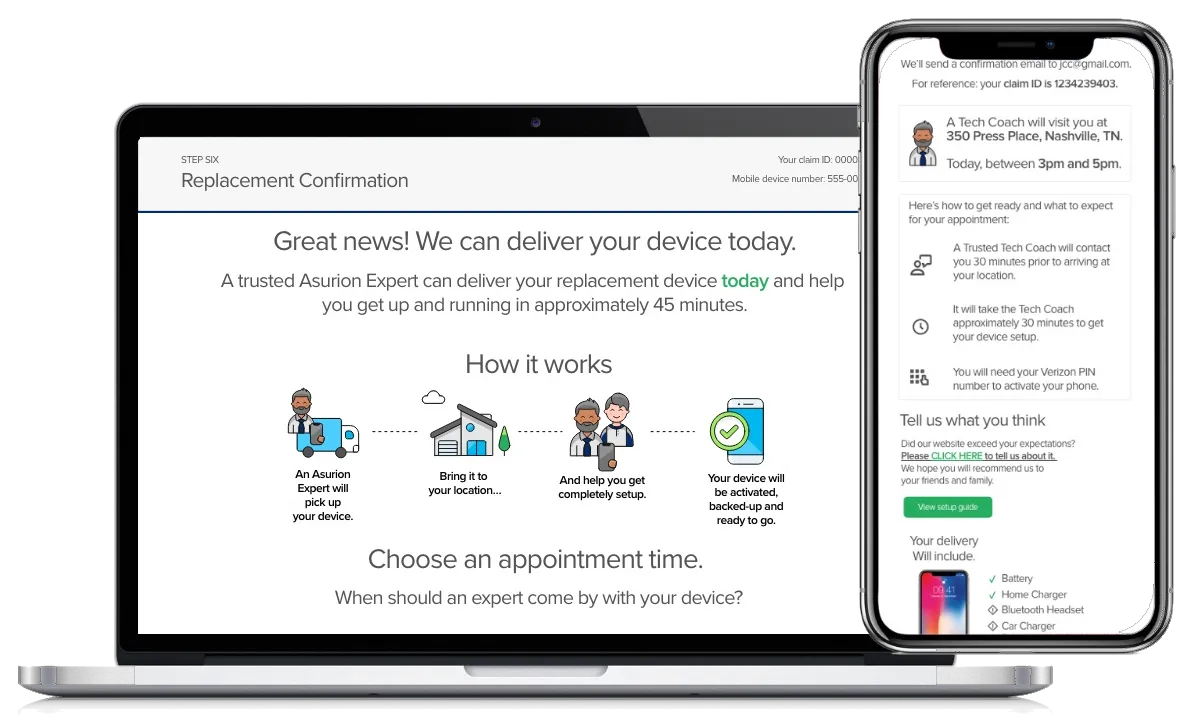
Verizon Same Day
Making “we’ll get you a new phone today” actually possible.
- Client
- Verizon · Same Day Delivery & Setup
- Role
- UX Designer · Workshop Facilitator
02 / The simple version
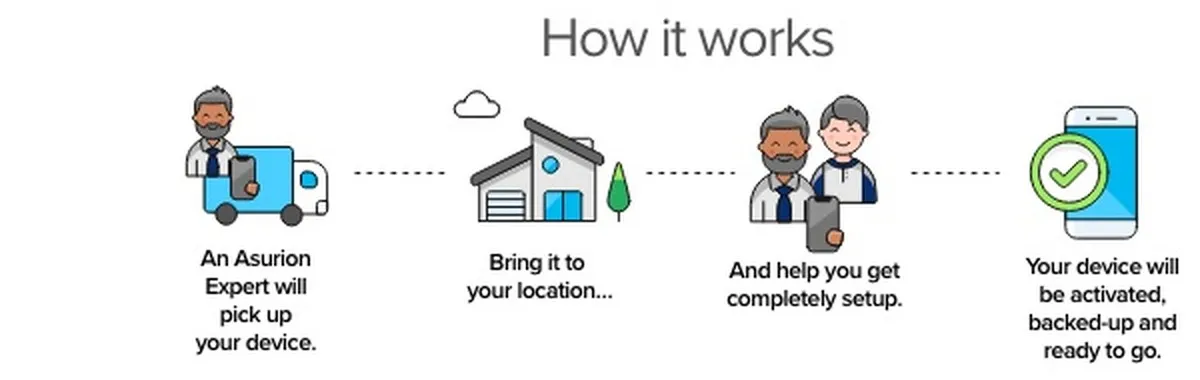
What the customer was promised.
- Phone breaks
- File a claim
- Get a replacement
- Get back online
Same day.
Behind the scenes, it was anything but.
03 / The real version
One journey for them. Many for everybody else.
The experience crossed systems, teams and operational processes that had never had to run to a single clock before. Every one of them had to agree for a phone to arrive, be verified, be activated and work — the same day a claim was filed.
The challenge wasn’t designing a better interface. It was designing a service that could actually be delivered.
The customer experiences
One journey
The organisation coordinates
- Claim
- Claim approval
- Device inventory
- Fulfillment
- Delivery
- Identity verification
- Activation
- Customer support
- Exception handling
04 / In the room
Nobody could see the whole thing.
Each team knew its own part well and the shape of the whole service barely at all. So I ran a multi-day workshop with people from across the organisation — not to generate ideas, but because a seamless customer experience depended entirely on solving the gaps between teams, and those gaps were invisible from inside any one of them.
- 01Create a shared view of the experience
- 02Surface dependencies
- 03Identify gaps
- 04Make decisions
- 05Align teams around one service
- Lots of people, lots of systemsShared understanding
- Shared understandingDecisions
- DecisionsOne experience
05 / Working backward
We didn’t design the experience around the organisation.We worked backward from what the customer needed.
A company is arranged into insurance, fulfilment, logistics, activation and support. A customer doesn’t experience any of that. They experience one sentence: I need my phone replaced.
So we started from that sentence and worked outward to what the service had to do, and only then to which team had to do it. Ideas were mapped and refined collectively rather than handed from one department to the next, which let customer need, technical feasibility and operational reality argue with each other in the same room.
- Customer need
- Desired experience
- Service requirements
- Organisational dependencies
- Implementation
06 / What got built
Alignment isn’t a deliverable.
The work didn’t end when everyone left the room. The agreed journey became a blueprint for how the service would run across digital and physical touchpoints, and I carried those decisions into the experience itself, working with the development team through implementation.
07 / The result
The result
4m+
Devices delivered nationwide since launch
And from the outside
- File a claim.
- Get a phone.
- Get back online.
Looking back
Sometimes the design job is making sure the customer never has to see the complexity.