01 / Case study
TickIt
Turning a messy complaints process into a product agents could actually use.
- Client
- Asurion · Complaints management
- Role
- Lead UX Designer & Researcher
02 / The problem
A complaint shouldn’t create more problems.
Complaints were taking too long to resolve, agents were overloaded and too many cases were escalating. The assumption was that the interface needed redesigning.
But managing a complaint involved much more than responding to a customer. Agents had to reconstruct what had happened, understand the history of a case, document every action, coordinate with other teams and keep the whole thing moving toward a resolution.
The existing system added work to that process rather than taking it away.
03 / What I learned
I spent the time watching the work.
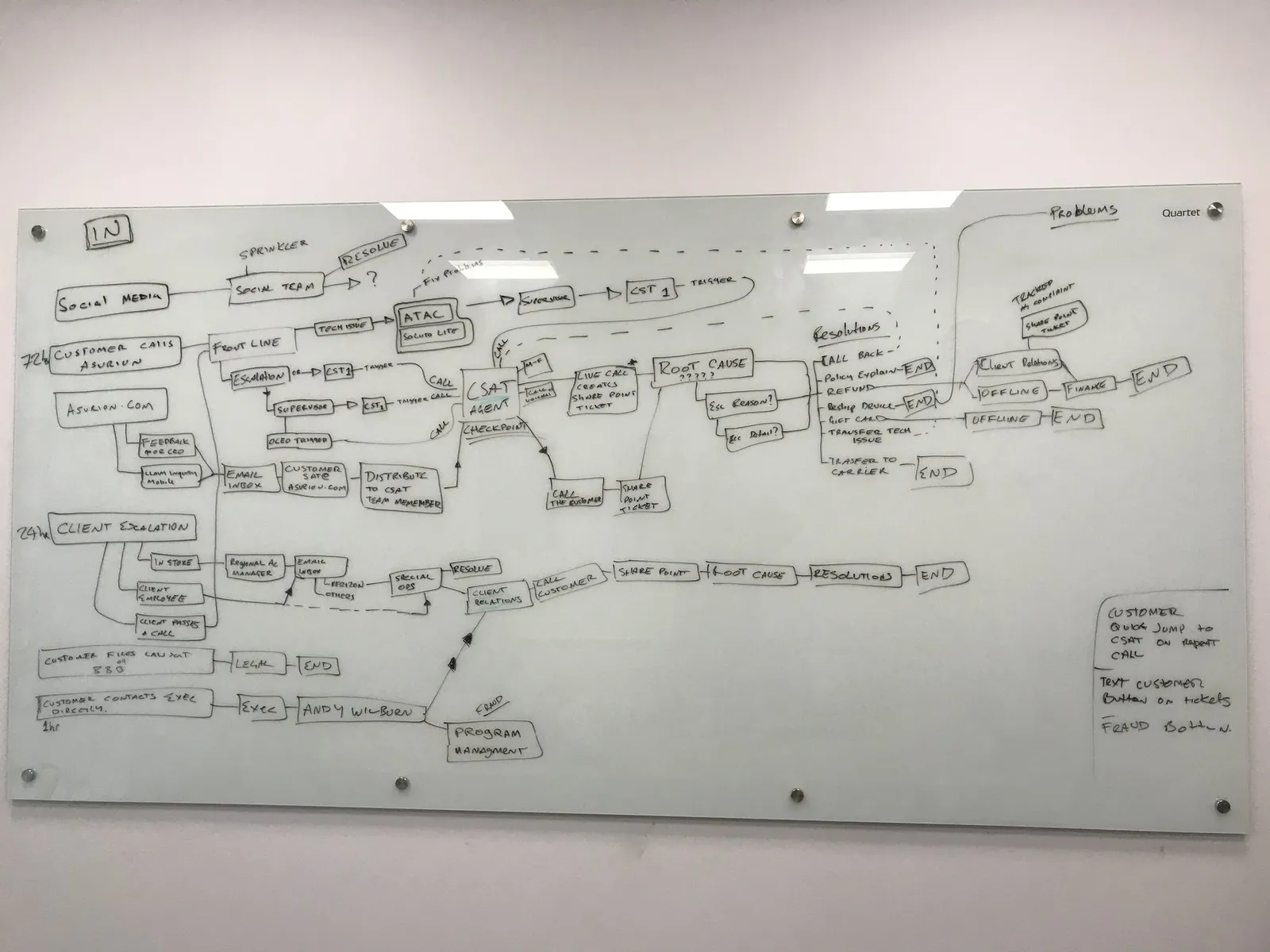
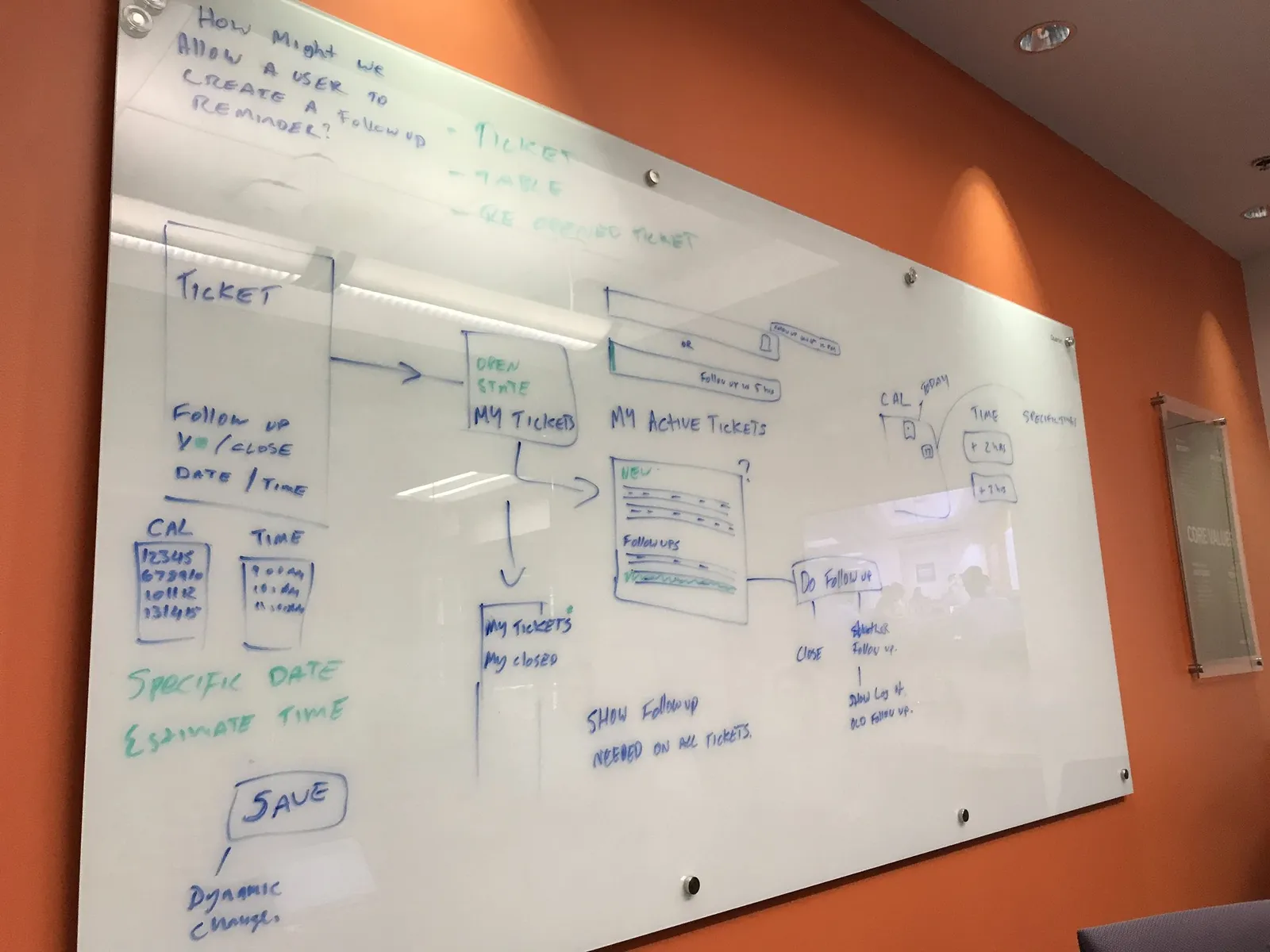
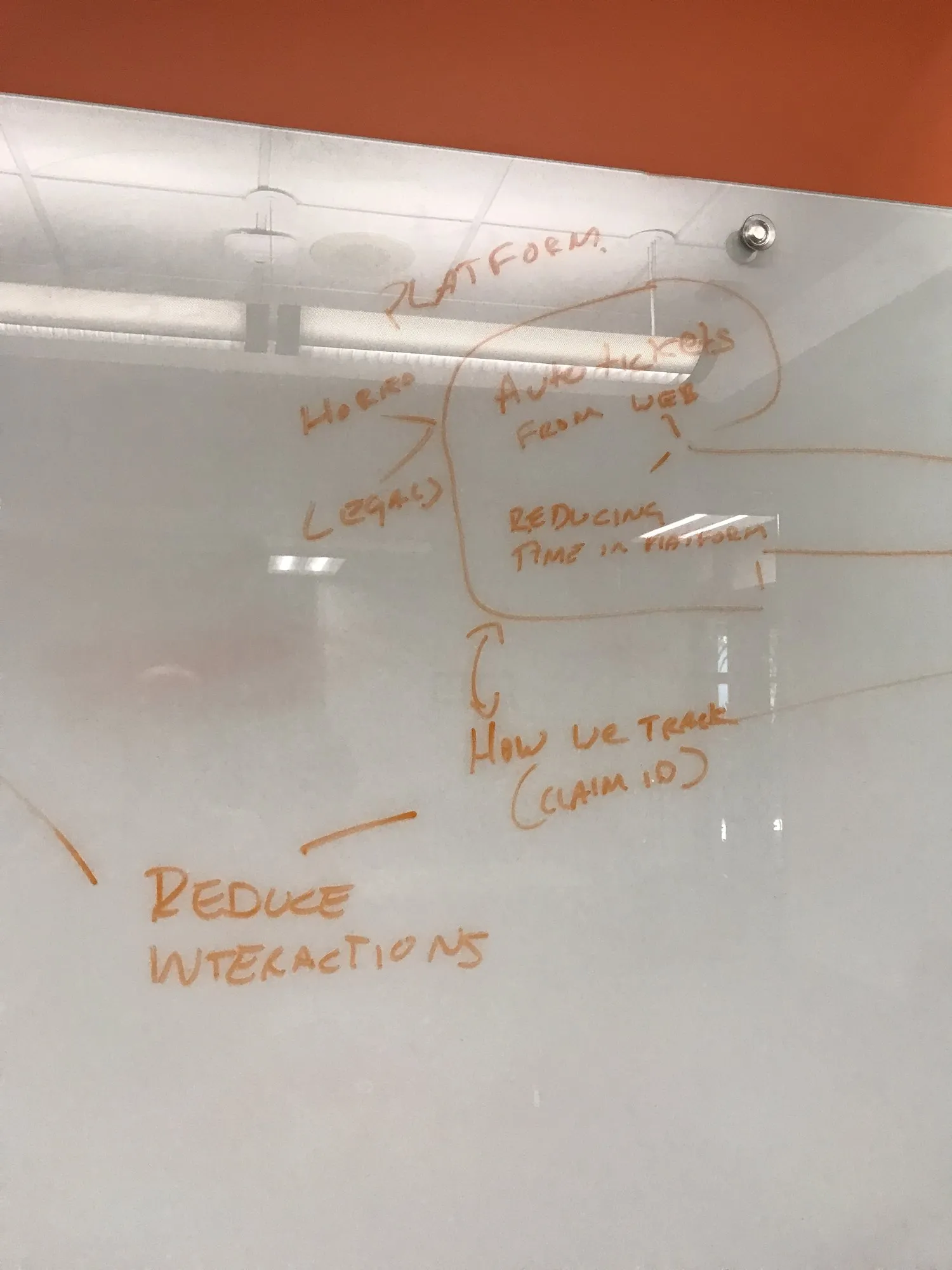
I ran research with agents continuously rather than as a phase up front — sitting with the actual work, not the software. What they did, where they went, what they kept in their heads and what they quietly worked around.
The thing that reframed the project
The biggest problems weren’t individual interface issues.They were structural.
Every difficult case came back to the same three unanswered questions. No amount of visual redesign was going to answer them.
01
Status
Where is this complaint in the process?
02
Ownership
Who is responsible for moving it forward?
03
Next action
What needs to happen now?
04 / What changed
Research changed the product, not the paint.
Those three questions became the architecture. Each one moved the product away from forms, fields and administrative record-keeping, and toward helping someone understand a case and finish it.
01
Scattered information
One clear view
Agents needed to understand a whole complaint without leaving the screen, so the case became the page rather than a record you assembled from somewhere else.
02
Unclear ownership
Visible responsibility
Nobody could tell whose move it was. Ownership stopped being something you worked out from the history and became a fact the system stated.
03
Complex process
Clear next action
The product stopped describing a process and started answering one question: what happens now, and who does it.
05 / What we built
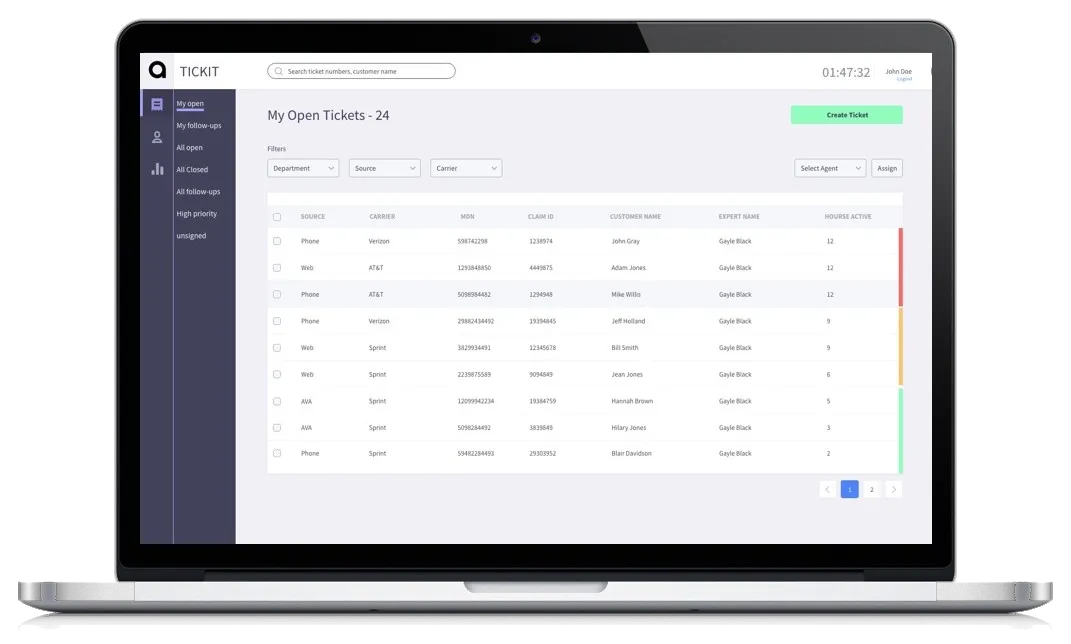
The case became the page.
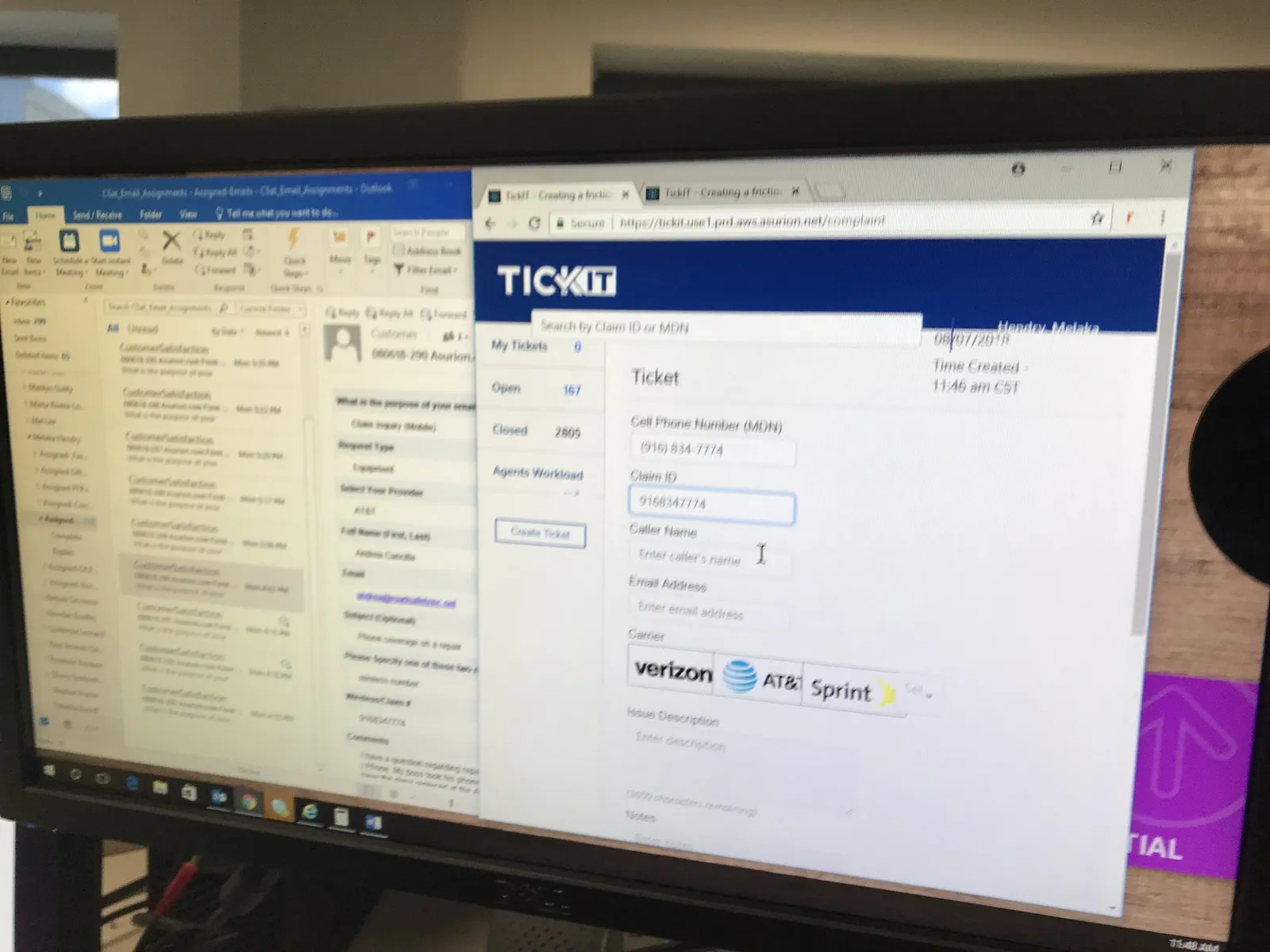
- Everything about the case, in one place.
- Whose move it is.
- What happens next.
- Nothing to go hunting for.
I worked directly with the engineering team throughout. Some information depended on existing systems, workflows were constrained by business rules, and interactions that looked simple carried real engineering cost — so we made those trade-offs together rather than handing over an idealised design and hoping.
06 / Impact
Impact
- 70%Reduction in complaint escalations
- 35%Reduction in overall agent workload
- 49%Reduction in complaint response time
- 92/100Usability score
Looking back
Sometimes the most valuable design decision isn’t adding another feature. It’s understanding why the work is difficult in the first place, then removing as much of that difficulty as possible.